About
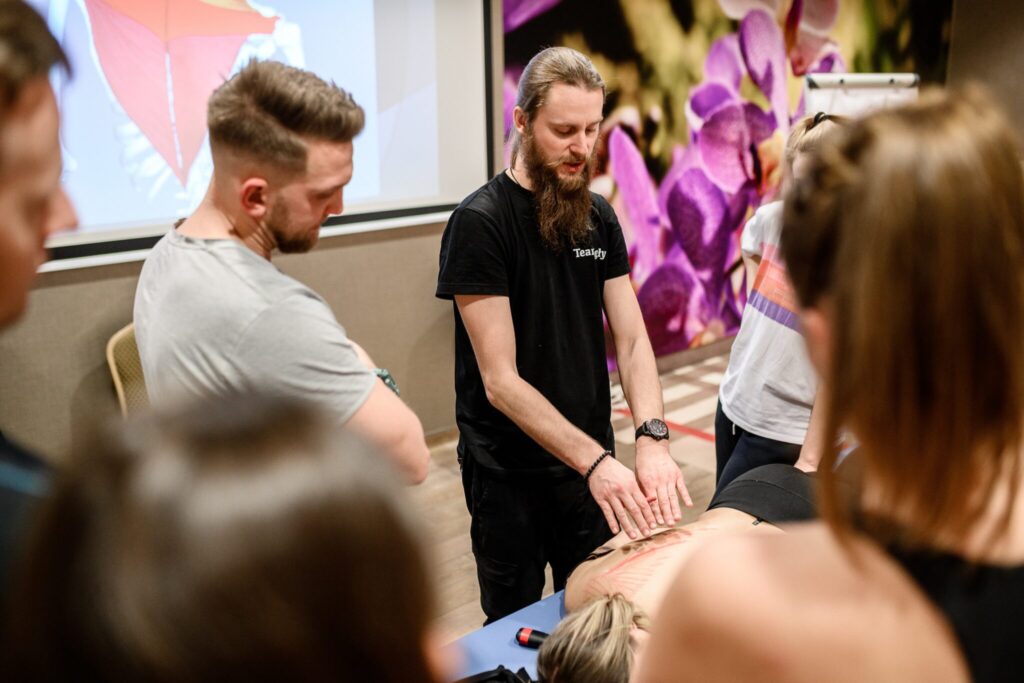
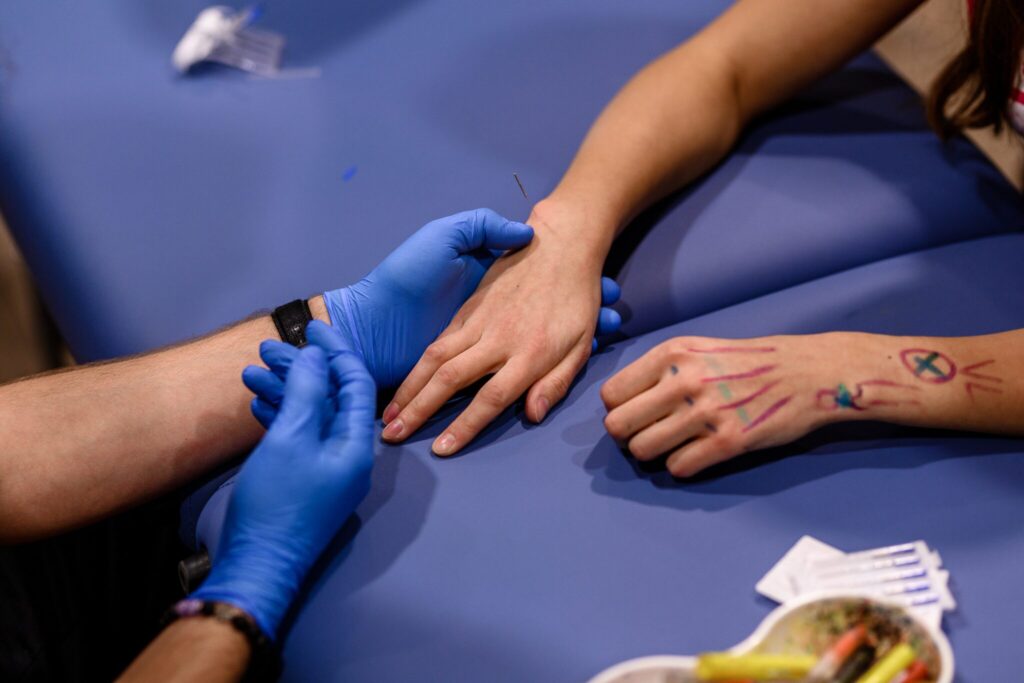
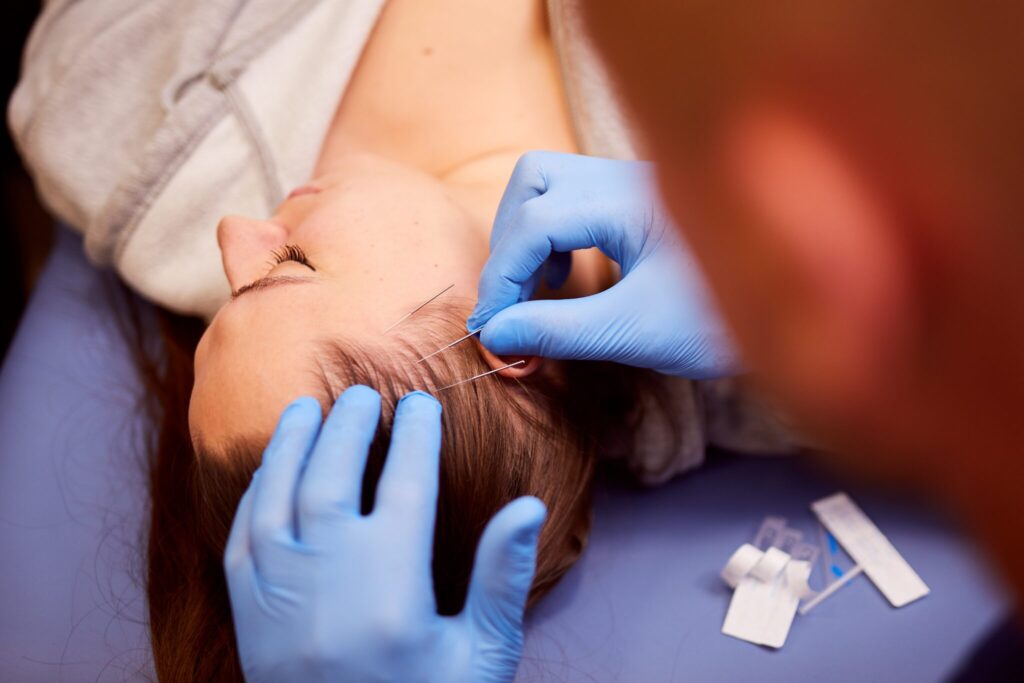
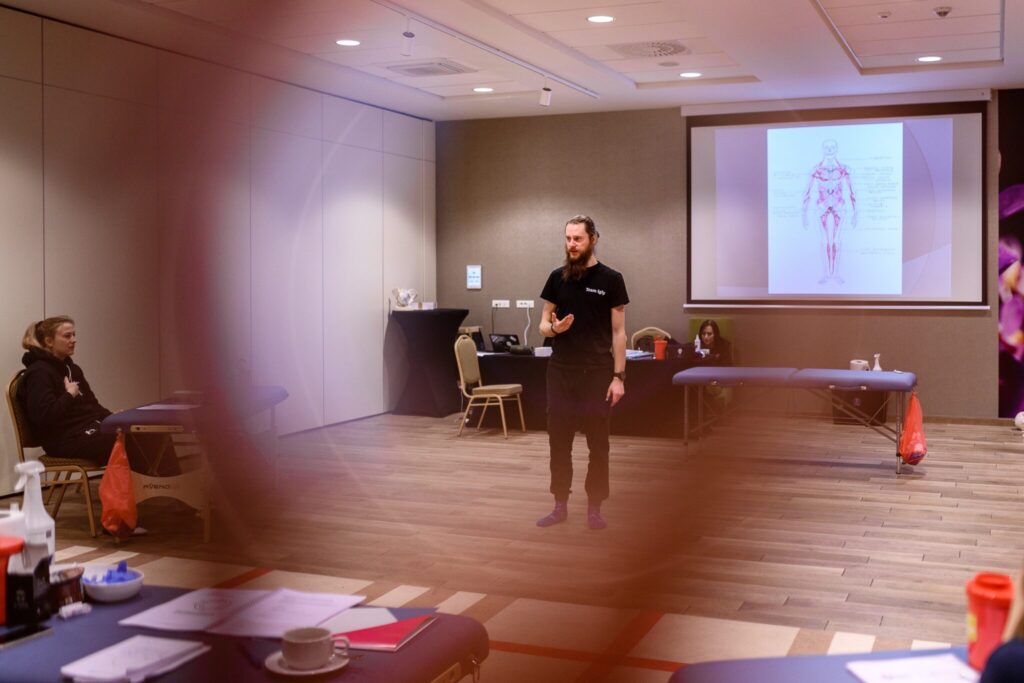
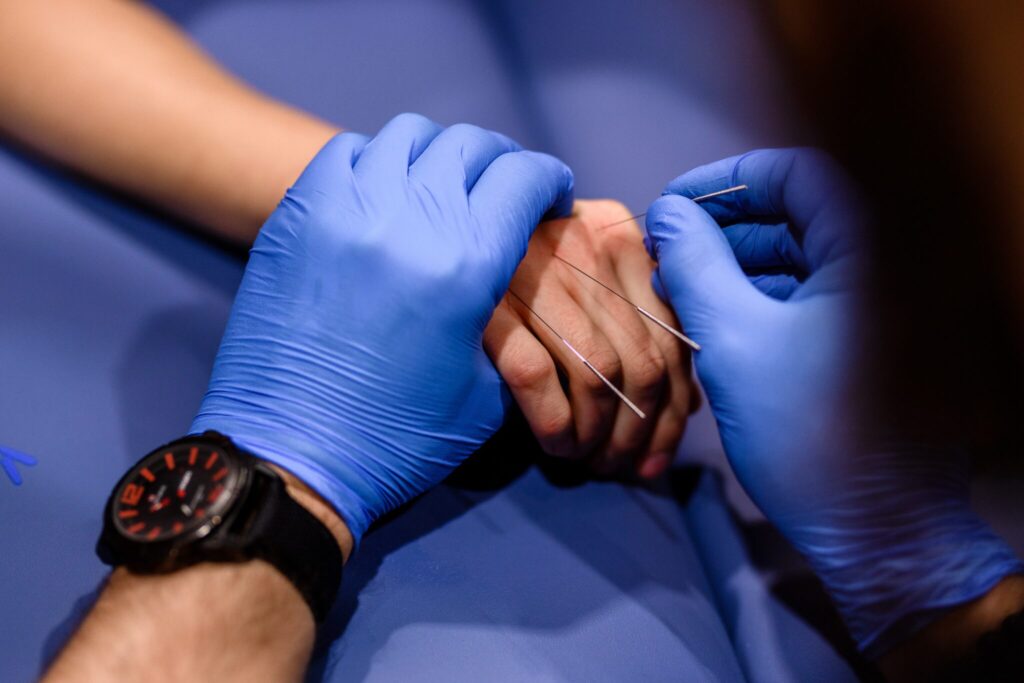
Unlike classical dry needling, which focuses primarily on local trigger points, the FRSc approach treats the body as a network of five interacting regulatory systems. Each governs a di erent layer of human function: mechanical load transfer, fluid circulation, autonomic balance, motor coordination, and sensory integration. Needling becomes a tool not only for pain relief, but for restoring the body’s natural capacity to self-regulate. For the therapist, this means more accurate clinical decisions, fewer trial-and-error sessions, and visibly better outcomes.
Benefits
Faster and more lasting results. The FRSc diagnostic process helps identify the true source of dysfunction, not just its symptom. Therapists report shorter treatment cycles and lower recurrence rates, which translates into higher patient satisfaction and stronger referrals.
A complete clinical reasoning system. Most dry needling courses teach where to insert the needle. FRSc teaches why. The Diagnostic Triad (Palpation, Label Pain, Typology) gives the therapist a repeatable method for selecting the right intervention every time.
Expanded scope of practice. FRSc broadens the indications for needling far beyond classical myofascial pain. Therapists can confidently address dysfunctions linked to autonomic imbalance, fluid stagnation, motor pattern disorders, and skin reactivity zones, opening up new patient groups and clinical specialties.
Stronger professional identity. FRSc-trained therapists work with a distinctive method backed by ongoing research and a recognisable European brand. In a competitive market, this di erentiation matters.
Integration with existing skills. The method does not replace what you already know – it enhances it. Manual therapy, exercise therapy, and other techniques become more e ective when guided by FRSc reasoning.
Higher revenue potential. Specialised methods supported by research and visible patient outcomes allow therapists to position themselves in the premium segment of the market. Many FRSc practitioners build dedicated clinical niches around chronic pain, sports recovery, or post-surgical rehabilitation.
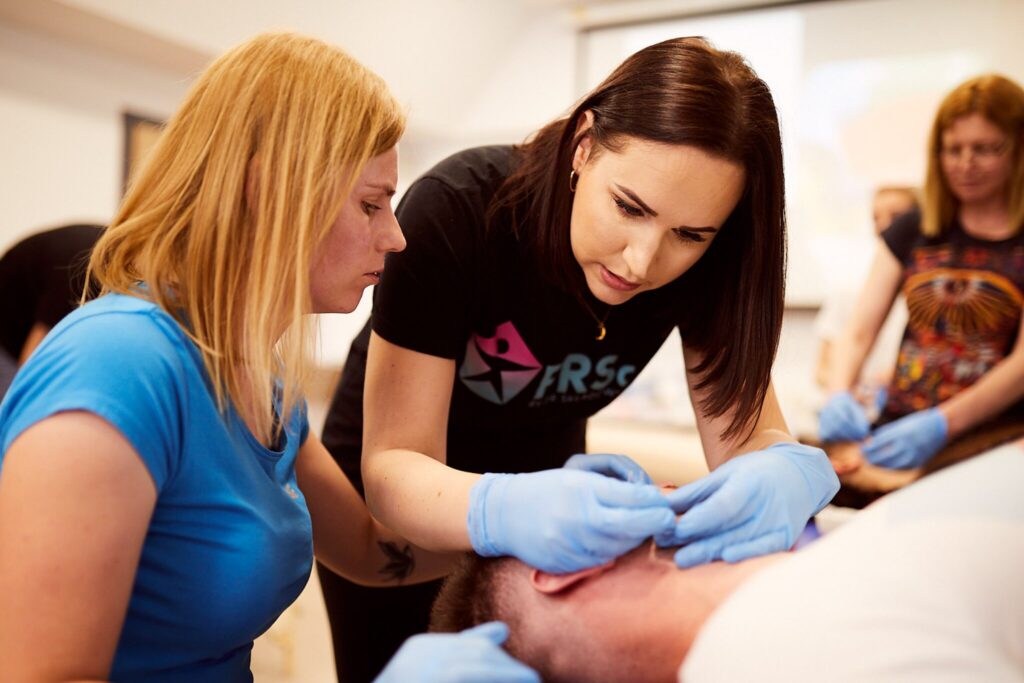
Membership in an international clinical community. Graduates join a growing network of more than forty instructors and several thousand certified therapists across Europe, with continuous access to case discussions, advanced modules, and research updates.